
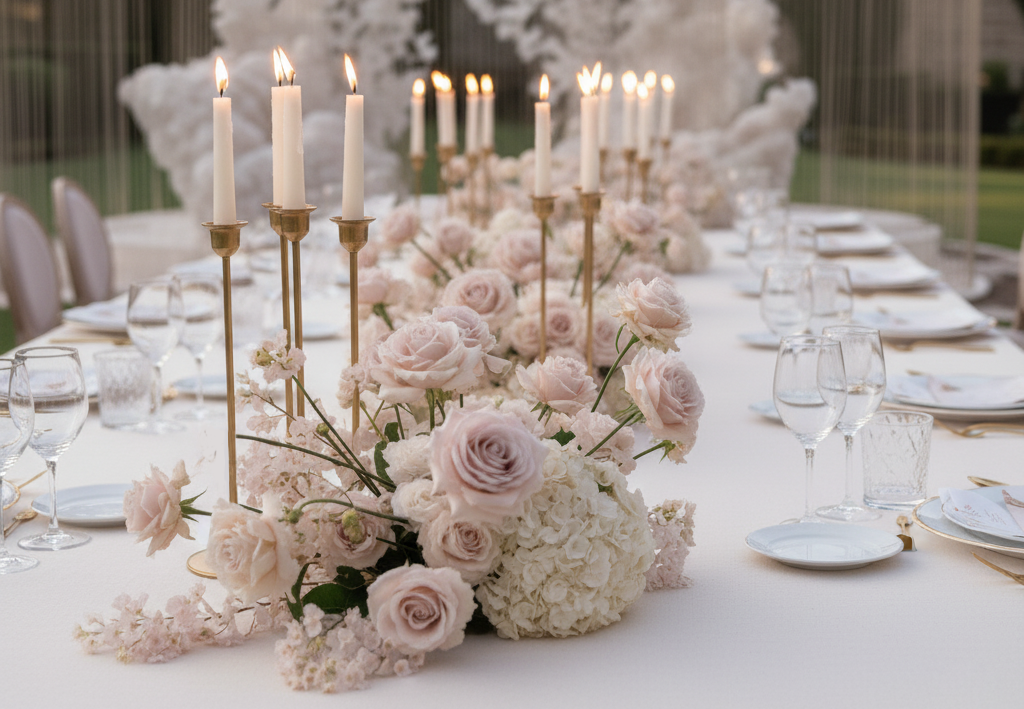
Every proposal brief that comes through our door begins with the same four words. I want it to be a surprise. It is said with total conviction, usually by someone who has spent weeks imagining a single moment in extraordinary detail and has not yet noticed that the instruction itself is where most proposals quietly start to go wrong.
This is not a criticism of anyone’s planning instincts. Wanting to surprise the person you love is one of the more generous impulses a person can act on, and it comes from exactly the right place. But a proposal planner in Dubai spends most of their actual working hours managing the distance between what a client asks for in that first conversation and what the moment genuinely needs in order to land the way it does in the imagination. Those two things overlap less than almost anyone expects going in.
What “Surprise Her” Actually Means, and Why It’s the Wrong Brief
Ask someone what they want from a proposal and the answer is almost always a feeling rather than a plan. Surprised. Overwhelmed. Speechless. These are lovely words and completely useless as instructions, because a feeling this specific cannot be manufactured directly. It has to be built from underneath, out of details the client has often never consciously considered, and the gap between the feeling someone wants and the logistics required to produce it is precisely where a proposal planner earns their fee.
The deeper issue with “surprise her” or “surprise him” as a starting brief is that it frequently means the client wants secrecy from their partner, but has not thought through who else needs to be let in on it. A florist needs weeks of notice for anything beyond a generic bouquet. A venue needs a reason for an unusual booking at an unusual hour. A photographer needs to be hidden well enough to be invisible and skilled enough to still capture a genuine, unposed reaction. Every one of these people becomes, in effect, a temporary co-conspirator, and coordinating a dozen conspirators without a single leak is a considerably harder operation than most clients picture when they first say the word surprise.
The Five Minutes Everyone Pictures, and the Weeks Underneath Them
The proposal itself, the actual moment, tends to last somewhere between ninety seconds and five minutes. Almost the entire client-facing conversation is about this window: the words, the ring reveal, the exact second someone should be looking in a particular direction rather than checking their phone. What almost nobody asks about, because almost nobody realizes it exists as a category of work at all, is everything required to make those five minutes hold together.
A rooftop proposal at golden hour in Dubai requires knowing precisely when the light will actually do what a client is imagining, which shifts by several minutes across the year and is easy to get wrong by exactly the margin that ruins a photograph. A beach proposal requires checking tide times, since a stretch of sand perfect for a private moment at four in the afternoon can be entirely underwater two hours later. A proposal inside a restaurant requires briefing staff who did not sign up to be part of someone’s most important evening but now have to execute a coordinated table clearing, lighting cue, or surprise dessert without breaking character or timing.
None of this is glamorous work, and none of it is what a client is picturing when they imagine the finished moment. It is also the entire difference between a proposal that unfolds exactly as envisioned and one where the ring comes out a beat too early, the photographer misses the reaction, or the whole thing gets rained on because nobody checked a forecast that was perfectly easy to check three days in advance.
Where the Location Instinct Usually Goes Wrong
Clients arrive with a location already fixed in their mind more often than with almost any other detail, and this is understandable. A specific beach, a specific viewpoint, a specific restaurant where the relationship reached some earlier milestone. The emotional logic is sound. The practical logic frequently is not, and this is one of the more uncomfortable conversations a proposal planner has to initiate early, because it means gently challenging a detail the client has already fallen in love with.
A beach that photographs beautifully in every social media post might be crowded with strangers at exactly the hour a proposal is meant to happen, turning an intimate moment into something performed in front of an audience of confused tourists. A rooftop with the perfect skyline view might require a booking that a venue cannot actually accommodate outside of a paid event package, turning a spontaneous-feeling gesture into a logistics negotiation the client never wanted to think about. The location someone wants and the location that will actually deliver the private, unhurried moment they are picturing are not always the same place, and identifying that gap before the day itself, rather than during it, is a large part of what separates a planned proposal from a hopeful one.
The Considerations Nobody Puts on Their Own List
Ask a client to list everything a proposal needs and you will get a fairly short, fairly obvious inventory. A location. A photographer, maybe. Flowers, often. The ring, obviously, though even this comes with more logistical weight than people expect, since a nervous partner-to-be carrying a ring box through an entire evening of dinner, walking, and forced casualness is itself a small operation in discretion.
What rarely makes the list, because it genuinely does not occur to most people until it becomes a problem, includes things like a backup plan for weather that has nothing to do with rain. Wind strong enough to ruin a hairstyle or blow away a carefully placed setup. The specific concern of Dubai’s heat making an outdoor evening proposal genuinely uncomfortable if the timing runs even twenty minutes later than planned. The question of what happens immediately after the yes, since a proposal that ends the second the ring goes on, with no thought given to the next hour, tends to leave both people standing in a beautiful location with nowhere particular to go and no way to properly celebrate what just happened.
There is also the matter of managing the partner asking the question, who is very often more nervous than they let on and benefits enormously from having every variable removed from their hands except the moment itself. A client trying to simultaneously manage vendor timing, hide a ring, remember rehearsed words, and stay emotionally present for the actual proposal is being asked to do four difficult things at once, and something in that list usually suffers.
When Hiring a Planner Actually Changes the Outcome
Not every proposal needs a dedicated planner, and it is worth saying so plainly rather than pretending otherwise. A quiet, low-key proposal at home, or a simple dinner where the setting itself is already familiar and low-risk, can be managed perfectly well without outside help. The calculation shifts once a client wants a specific, elevated setting, wants photography or videography of the moment, wants any element of surprise involving other people’s cooperation, or simply does not have the time or local knowledge to coordinate several moving parts across a city they may not know intimately.
The honest value a planner brings is not creativity in the abstract, most clients already have a beautiful idea in their head before any conversation begins. It is the removal of every variable that could interrupt that idea from actually happening as imagined. This includes the parts that never make it into a proposal video: confirming a venue’s actual availability rather than assuming it, checking a weather pattern against the specific date rather than hoping, briefing a photographer on exactly where to hide and when to move, and having a genuine contingency plan ready rather than improvising one in the moment if something shifts unexpectedly.
What People Actually Need Instead of What They Ask For
Underneath every request for a surprise is a simpler, more honest need: for the moment to go right, for the partner being proposed to feel fully seen rather than merely surprised, and for the person doing the asking to be present enough in that moment to actually experience it rather than spending it managing logistics in their head. Nobody phrases the brief this way in the first conversation, because nobody arrives already fluent in what a proposal actually requires. That fluency is, in the end, the entire service.
The best proposals we have been part of rarely looked exactly like the client’s original vision by the time they happened. The location shifted slightly for better light or more privacy. The timing moved by twenty minutes once tides or sunset times were actually checked. A backup plan quietly existed the whole time in case weather turned, never needed, never mentioned afterward. What stayed constant, in every version, was the feeling the client actually wanted from the start, which was never really about the surprise itself. It was about being fully present for someone else’s most important yes, without a single variable left to chance.
Frequently Asked Questions
How far in advance should proposal planning start in Dubai?
Ideally four to six weeks for anything beyond a simple, private setting, since venues, photographers, and florists with genuine availability need real lead time, especially during Dubai’s busier cooler months.
Can a proposal stay a surprise from the partner if a planner and multiple vendors are involved?
Yes, this is one of the more common concerns and one of the easier ones to manage. Clear, limited-need-to-know briefing across every vendor involved, combined with a tightly controlled timeline, keeps the secret intact far more reliably than clients typically expect.
What’s the most common mistake people make planning a proposal themselves?
Fixing on a location or moment emotionally before checking whether it is practically achievable, timing, weather, crowd levels, venue access, which often surfaces as a problem only once it is too late to easily change course.
Does the proposal planner also help with the engagement celebration that follows?
Often, yes. Since a proposal that ends abruptly with nowhere to go afterward can undercut the moment itself, many clients extend planning to include a small celebration, dinner, or gathering immediately following the yes.